How to Calculate Lot Size in Forex (Step-by-Step With Examples)

If you’re serious about Forex trading, understanding lot size is absolutely essential. Many traders focus on picking currency pairs or predicting market trends—but even the best strategy can fail if you don’t manage risk properly.
Calculating lot size correctly ensures that you never risk more than you’re willing to lose, even if the market moves against you. In this guide, we’ll go step by step, provide practical examples, and show you the tools that make calculation fast and accurate. By the end, you’ll know exactly how to size your trades for both safety and profitability.
What Is Lot Size in Forex and Why It Matters
In Forex, a lot is the number of currency units you buy or sell. Lot size directly impacts how much you gain or lose per pip, making it a cornerstone of risk management.
Here’s a breakdown:
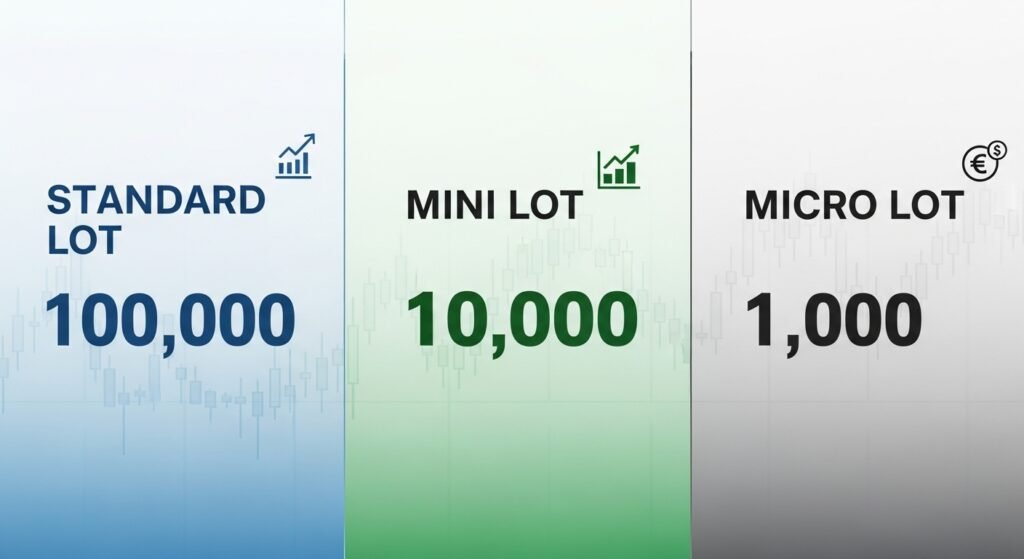
- Standard Lot: 100,000 units
- Mini Lot: 10,000 units
- Micro Lot: 1,000 units
For instance, trading 1 standard lot of EUR/USD means each pip movement in your favor earns you $10, and each pip against you costs the same. If the market moves 50 pips, that’s a $500 change in your account.
Understanding lot sizes is essential for consistent trading. If you need a detailed explanation of the basics, check What Is Lot Size in Forex?.
Step 1: Determine Your Risk Per Trade
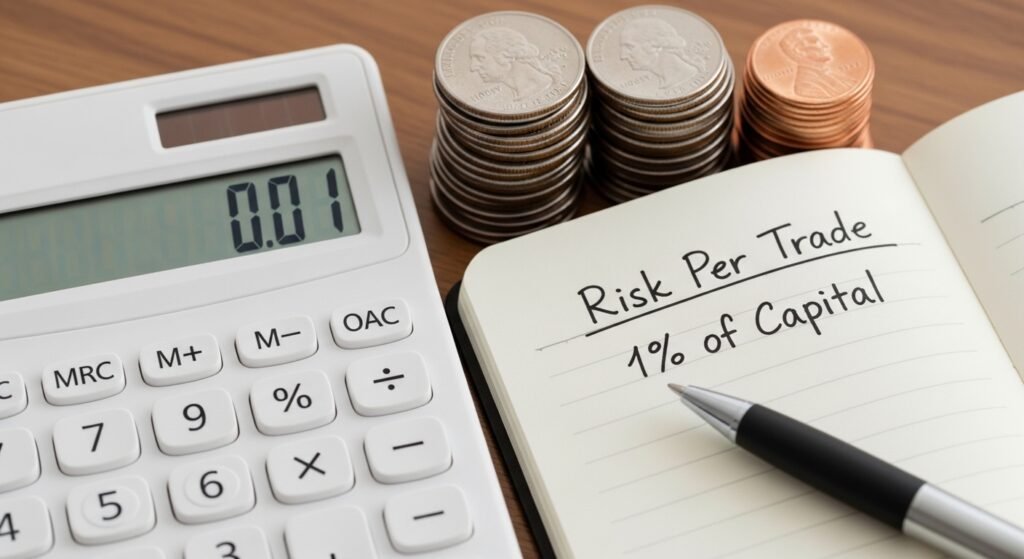
Before placing a trade, you must decide how much of your account you are willing to risk. Most professional traders risk only 1–2% of their account per trade.
Example:
- Account balance: $10,000
- Risk per trade: 2%
Risk Amount= Account Balance × Risk Percentage
Risk Amount=10,000×0.02=200
This means your maximum allowable loss for this trade is $200. Deciding this beforehand protects your account from major setbacks and keeps your trading disciplined.
Step 2: Set Your Stop Loss
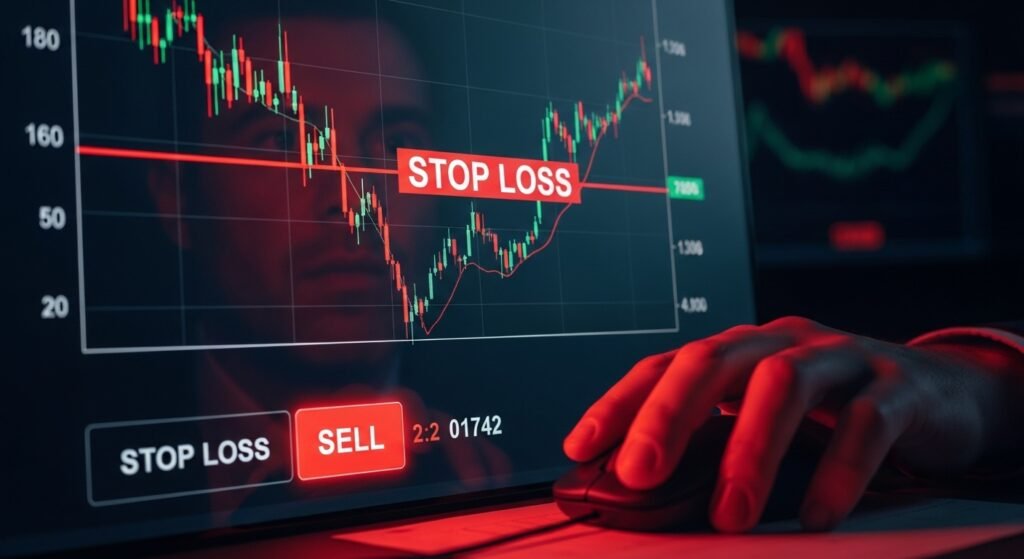
A stop loss is a predetermined price level at which you exit a trade to limit losses. Its distance, measured in pips, directly affects your lot size.
Example:
- Stop loss: 50 pips
A smaller stop loss means a smaller lot size to stay within your risk limit, while a wider stop loss allows a slightly larger position.
For easy and accurate calculation, you can use our Lot Size Calculator. It automatically considers your account size, risk percentage, and stop loss to tell you the correct lot size.
Step 3: Understand Pip Value
A pip is the smallest price movement in a currency pair. Knowing its value in your account currency ensures you don’t accidentally overexpose yourself.
Here’s how pip value works for different lot sizes:
- Standard Lot (1 lot): 1 pip = $10
- Mini Lot (0.1 lot): 1 pip = $1
- Micro Lot (0.01 lot): 1 pip = $0.10
For example, trading 0.5 standard lots and gaining 20 pips would earn:
You can confirm the exact pip value for any pair using our Pip Value Calculator. This ensures your lot size aligns perfectly with your risk tolerance.
Step 4: Calculate the Correct Lot Size
Once you know your risk amount, stop loss, and pip value, you can calculate your ideal lot size:
LotSize=StopLoss×PipValueRiskAmount
Example:
- Risk Amount: $200
- Stop Loss: 50 pips
- Pip Value: $10 per standard lot
LotSize=50×10200=0.4 standard lots
So, you should trade 0.4 standard lots. If your broker doesn’t allow fractional standard lots, you can use mini lots instead—0.4 standard lots = 4 mini lots.
Step 5: Real-Life Trade Example
Let’s consider a practical scenario:
- Account balance: $5,000
- Risk per trade: 2% ($100)
- Stop loss: 25 pips
- Pip value per standard lot: $10
LotSize=25×10100=0.4 standard lots
Even if the stop loss is triggered, you only lose $100, keeping your account safe. This shows how proper lot sizing protects your capital while letting you trade confidently.
Step 6: Using Tools to Simplify Calculations
While manual calculation works, tools save time and prevent errors.
- Lot Size Calculator – Determines the right lot size instantly.
- Pip Value Calculator – Ensures your pip value is accurate, avoiding costly mistakes.
Using these calculators allows you to focus on your trading strategy, not tedious math.
Common Mistakes Traders Make With Lot Size
Even experienced traders slip up sometimes. Avoid these pitfalls:
- Over-leveraging: Trading too many lots with high leverage can wipe out your account in minutes.
- Ignoring pip value: Not all currency pairs have the same pip value. Ignoring this can lead to unexpected losses.
- Skipping stop loss: A stop loss is your safety net; without it, even the correct lot size won’t protect you.
- Changing risk inconsistently: Adjusting your risk percentage without a clear plan destroys discipline and account growth.
Avoiding these mistakes keeps your trading safe, disciplined, and profitable.
Why Proper Lot Size Calculation Makes a Difference
Lot size is the foundation of your trading. Even the best indicators and strategies can fail without it. Proper calculation:
- Protects your account from large losses
- Maintains consistent risk across trades
- Helps you trade confidently
- Works seamlessly with stop loss and take profit planning
Mastering lot size separates serious traders from those who burn accounts quickly.
Advanced Tip: Adjusting Lot Size Dynamically
Professional traders often adjust lot size as their account grows, keeping a consistent risk percentage.
Example:
- Account grows from $5,000 → $10,000
- Risk per trade: 2%
- If stop loss remains the same, the lot size doubles with the account growth.
This approach allows profits to compound while controlling risk.
Conclusion: Master Lot Size, Master Forex
Calculating the correct lot size is one of the most important skills a Forex trader can develop. It ensures that you manage risk effectively, protect your account from large losses, and trade with confidence. By understanding your risk per trade, setting an appropriate stop loss, knowing your pip value, and calculating the right position size, you can make informed trading decisions and maintain consistency over time.
Proper lot size calculation is not just a technical step—it’s the foundation of disciplined trading. When you size your trades correctly, you take control of your risk, focus on strategy, and give yourself the best chance for long-term success in Forex trading. Mastering this skill separates successful traders from those who burn accounts and struggle to grow.